Fishing in Waimate District
Trout, salmon and coastal fishing in Waimate District
Fishing is a popular activity here.
The area's lakes and rivers have some excellent trout fisheries. Kahawai, seasonal whitebait, and the occasional salmon also lure keen anglers to the water.
There are no guided fishing activities here, so you’ll need your own gear and fishing licence.
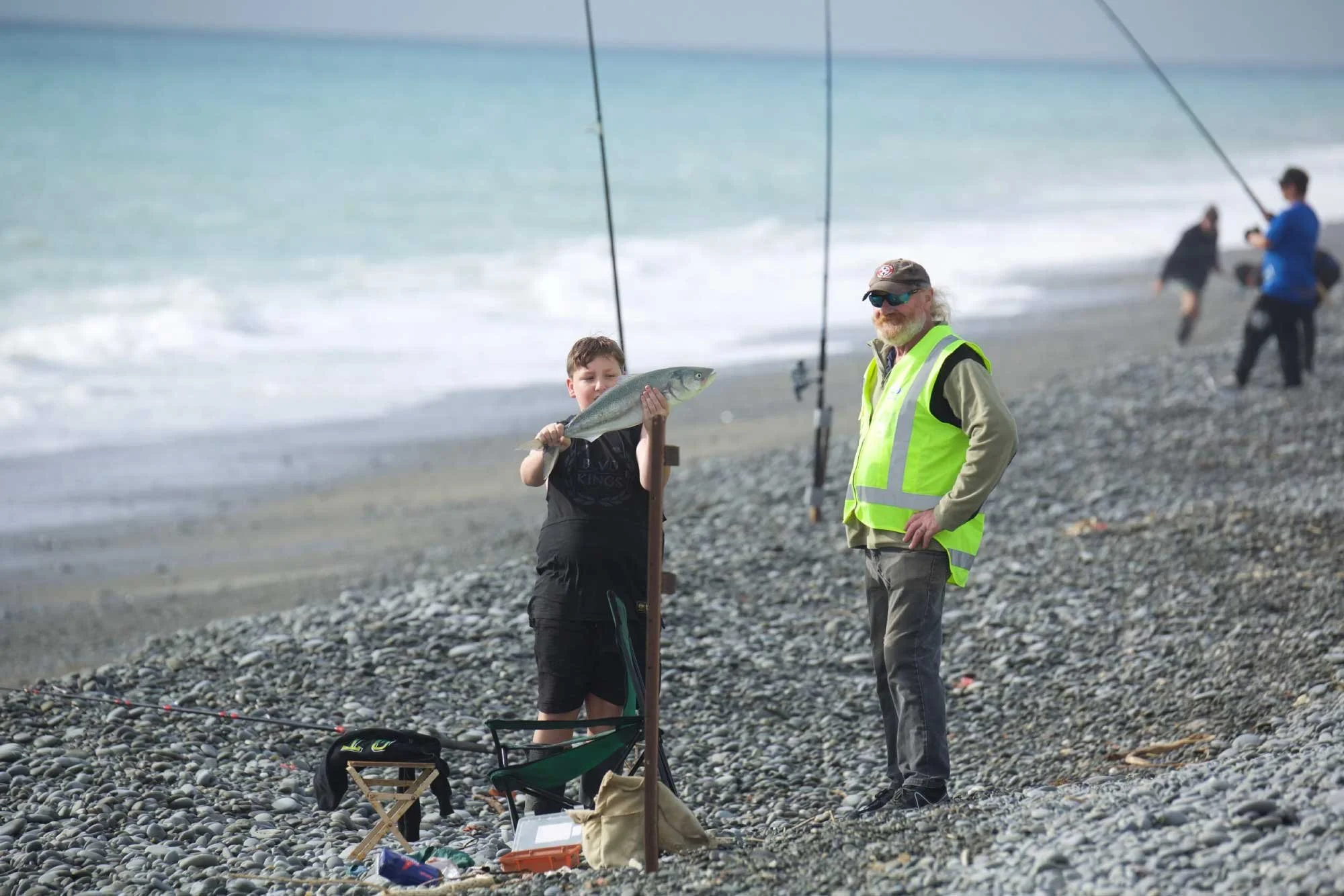
If you’re licensed and into fishing you might want to check out Hook Beach.
Hook Beach is a popular spot for elephant fish and rig. You can also catch shark and skate along this part of the coast.
October to December is prime time for elephant fish. The best time for going after rig is in the evening, when the light is going from dusk to dark.
Seals are regular visitors to these rocky beaches, you can often see dolphins out to sea, and if you’re really lucky the occasional whale.
To get there turn off State Highway 1 onto Hook Swamp Road, (near Butlers Berry Barn). Take a right turn onto Hook Beach Road and follow it along to the end.
Please note: you’ll need a fishing licence and your own fishing gear to fish here. Take care, the shifting gravels can be dangerous. We recommend going with a local.
Hook Beach
The Waitaki River and hydro lakes
One of Aotearoa’s great braided rivers, and still a popular fishery.
The mighty Waitaki is the southern border of Waimate district and it’s fed these days by the Waitaki Hydro system, which makes enough power to run around 51,000 households.
The lakes are dotted with campsites and places to fish, boat and walk. The road ‘up the lakes is scenic and is best explored by checking out the ROAM Loop App.
Near the mouth of the Waitaki you’ll find Glenavy and the Glenavy Hotel. There’s also a lovely walking track you start at the layover near the bridge.
Trout fishing
Waitaki River and Hydro Lakes
There are good numbers of brown and rainbow trout, of good size, in the Waitaki River from Kurow down to Bells Pond. If you want to fish the lower reaches of the river and around the SH1 bridge, you need lower flows around 250 cumecs.
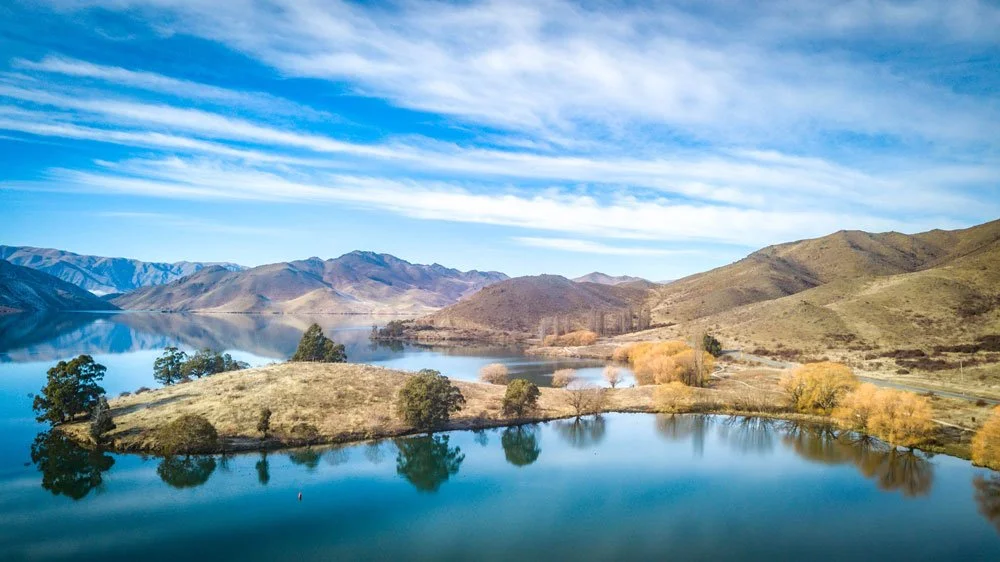
The Waitaki is a large braided river. Flows can fluctuate quickly because it’s part of the Waitaki hydro-electric generation system. The upper reaches of the Waitaki River have been converted into hydro lakes but most offer good trout fishing. The Waitaki hydro lakes within Waimate district are Lake Waitaki, Lake Aviemore (holds trout in good numbers), and Lake Benmore (troll for the numerous trout and salmon).
Lake Waitaki
An under-rated fishery. Try fishing for brown trout from the shore in the summer, early in the morning, or late evening. There are some landlocked salmon in here on the north side, where the old river channel used to flow prior to the lake being filled.
Hakataramea River
This river is the largest tributary of the Waitaki River and is world-renowned for fly fishing. Good trout fishing, with fly and spin. It was once a major spawning ground for salmon and you may see salmon in the river.
Trout season: October to April.
Salmon fishing
The Waitaki was once the most well-known salmon river in New Zealand but like other big East Coast rivers, the fish population has dropped. They're still present in the rivers, and at Bells Pond and the Waitaki Lakes, but in much smaller numbers.
Volunteers are restocking the Waitaki River from a salmon hatcherynear Glenavy, run by the Waitaki Riparian Enhancement Society.
Salmon season: October to March.
Whitebait
The season for this delicacy runs from the middle of August to the middle of November on the east coast. The Waihao Box and the Waitaki River mouth are popular whitebaiting spots.
Whitebait season: August to November.
Kahawai
Known as ‘the people’s fish’ the kahawai show up at the Waitaki River mouth between November and February. When they’re shoaling at the Waitaki you can catch a fish without too much trouble.
Open season.
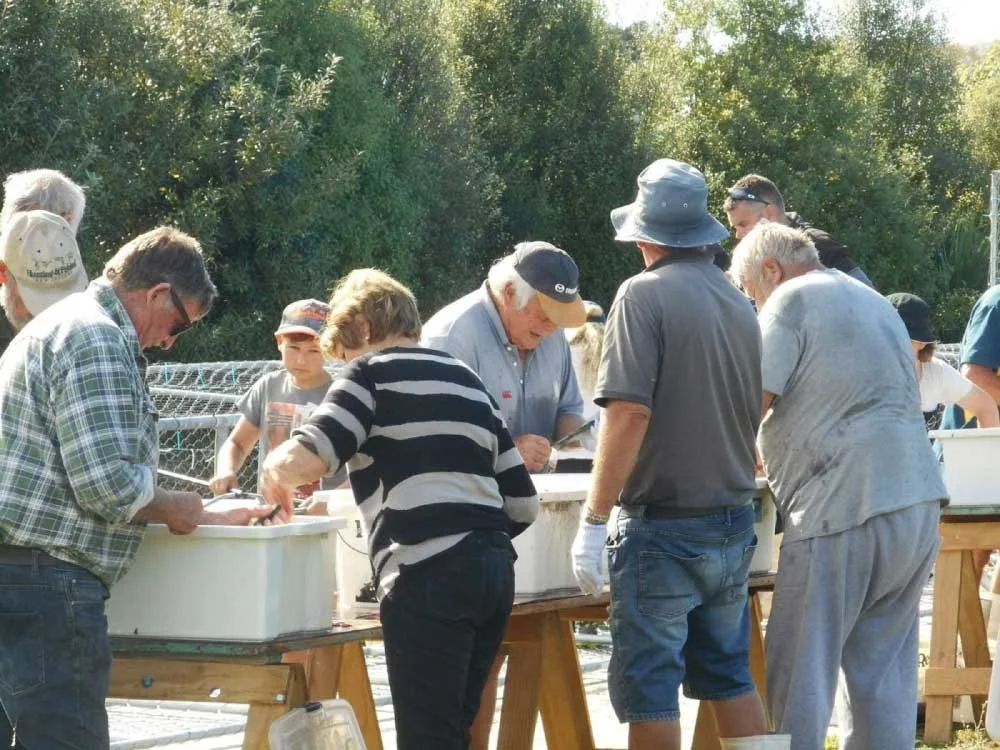
The Waitaki Salmon Hatchery
The Waitaki was once the most well-known salmon river in New Zealand.
Volunteers are restocking the river, with a salmon hatchery near Glenavy, run by the Waitaki Riparian Enhancement Society.
Guided tours of the hatchery are available by arrangement for groups of four upwards.